Embrace the Green: Sustainable Practices for Thriving Farm Life and Rural Living
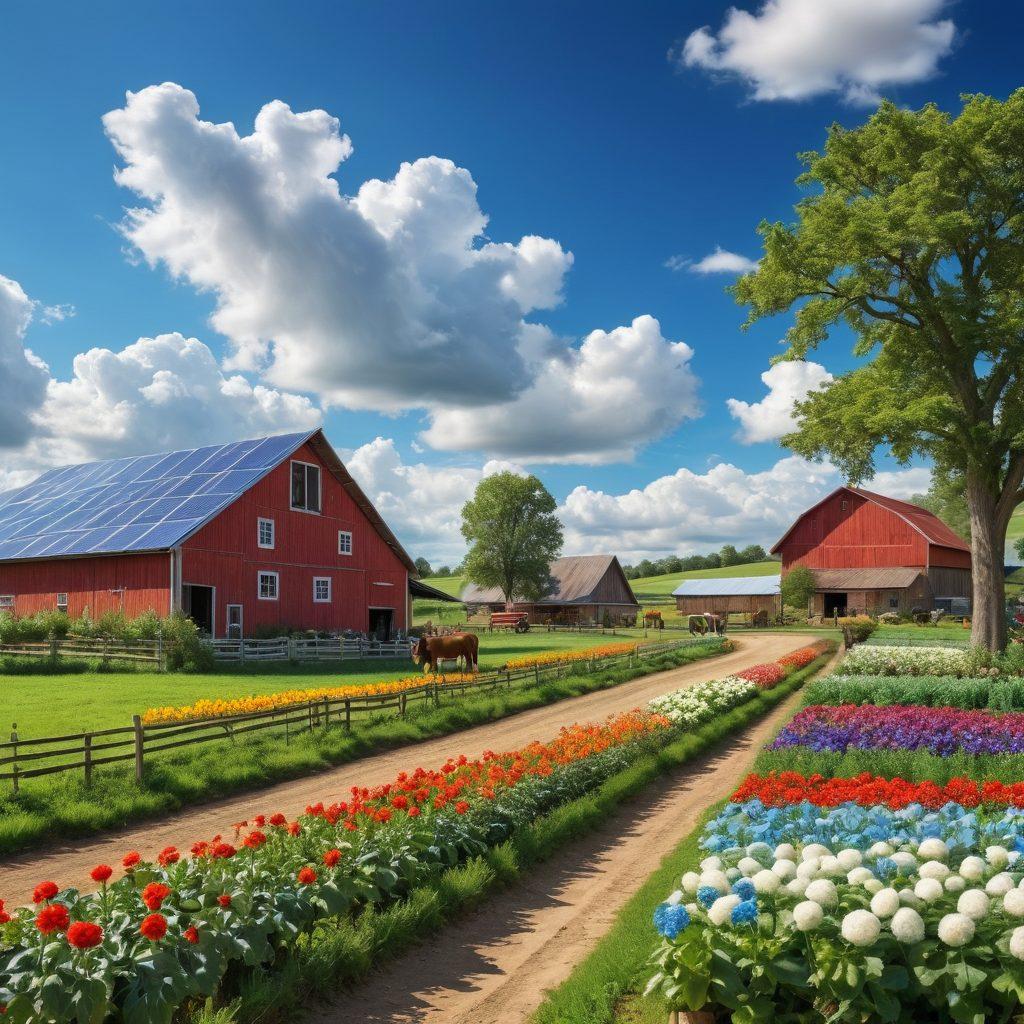
In a world that often feels out of sync with nature, embracing sustainable agriculture can be like finding a hidden treasure in the countryside. Picture rolling hills, vibrant fields, and the sweet scent of earth after a rainfall. This is the essence of nurturing nature, where sustainable agricultural practices not only enhance farm life but also create a thriving ecosystem for rural living. As the sun rises over the horizon, it brings with it the promise of a day filled with possibility, connection, and responsibility to our environment.
Imagine waking up every day on your farm, surrounded by the sounds of chirping birds and the gentle rustle of leaves. This is what a green lifestyle looks like, where farm life is intertwined with nature conservation. Adopting eco-friendly farming methods doesn't just keep the land healthy; it enriches your own life, promoting a deeper relationship with the earth. Sustainable agriculture practices such as permaculture and organic produce cultivation don’t just yield crops but also instill a sense of pride and purpose in the hearts of farmers. Does that resonate with you?
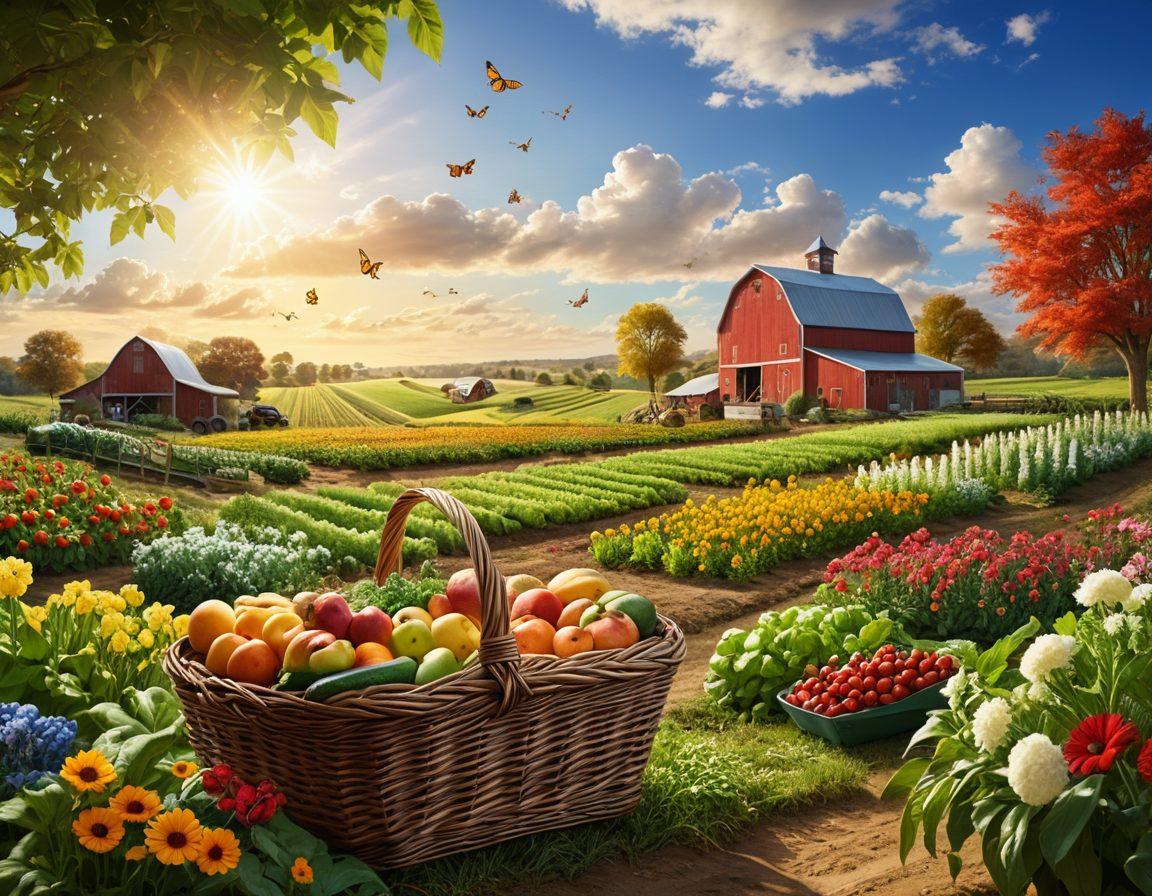
Farmers' markets are a bustling hub of activity, where local farming meets community spirit. When we think of sustainable agriculture, it’s vital to consider the role of these markets in fostering connections between growers and consumers. By engaging with the community through farmers' markets and agri-tourism, we cultivate not only fresh produce but also relationships, education, and awareness about the importance of sustainable practices. What’s your favorite experience at a farmers' market?
Consider the beauty of crop cultivation that respects the natural cycles of the land. Sustainable agricultural practices, such as crop rotation and companion planting, create a diverse ecosystem that flourishes without dependence on harmful chemicals. These practices don’t just improve yields but also enhance soil fertility, which is vital for long-term agricultural sustainability. Each seed planted is a step towards nurturing nature and ensuring that our children inherit a thriving, vibrant farm life. Have you thought about the impact of what you grow on your land?
In the world of rural living, the connection between farm life and the well-being of our planet is more important than ever. As we nurture nature through sustainable agriculture, we pave the way for a future where homesteading and animal husbandry harmoniously coexist with the wild and untamed aspects of life. By embracing sustainable agricultural practices, we nurture not just the land, but also our community, our health, and the legacy we leave for future generations. How will your farming journey reflect this commitment to sustainability?
From Soil to Stomach: The Benefits of Eco-Friendly Farming Practices
Imagine walking through a sunlit field, the air rich with the earthy fragrance of freshly tilled soil, and the vibrancy of green surrounding you. This isn’t just any field—it's a testament to eco-friendly farming practices that not only nourish our bodies but also our planet. As we delve into the fascinating journey from soil to stomach, let’s uncover the benefits of sustainable agriculture and how it intertwines with our daily lives, especially those of us who embrace farm life and rural living.
"You are what you eat," they say. But what if we took that a step further and asked, "What does your food eat?" This question is pivotal in understanding the essence of agricultural sustainability. When you engage in eco-friendly farming or permaculture, you are not just cultivating crops; you are creating a symbiotic relationship with nature. The practices you adopt—be it local farming, crop rotation, or animal husbandry—reflect not only your values but also the health of your land, community, and ultimately, your dinner plate.
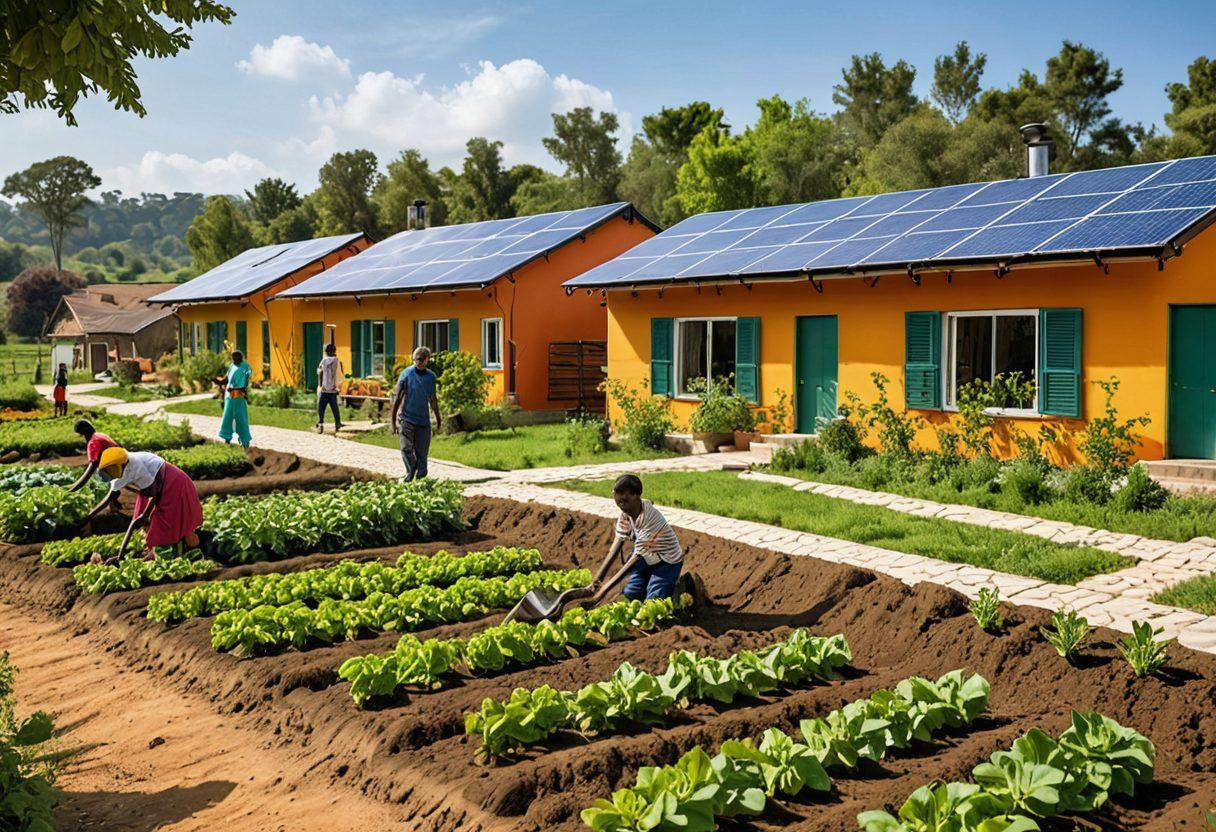
The rise of homesteading and farmers' markets is a powerful movement fueled by the desire for organic produce and sustainable agricultural practices. Many individuals are turning to agricultural practices that honor the land, promote nature conservation, and foster a green lifestyle. For instance, in rural areas, community farming initiatives are sprouting up, bringing together locals to cultivate crops together, share resources, and bond over their shared passion for nurturing the Earth. Isn’t it inspiring to think that one small garden can lead to a ripple effect of positive environmental change?
Let’s not forget the allure of agri-tourism, which invites visitors to experience the wonders of farm life firsthand. From picking fresh berries to learning about sustainable crop cultivation techniques, it brings people closer to the food they consume. With every tour, every interaction, there’s a story being written—one that highlights the importance of local farming and the deliciousness of freshly harvested, organic produce. Are you ready to dive into this adventure and experience the rich tapestry of our agricultural heritage?
The journey from soil to stomach is a cycle of life that can nourish not just our bodies but our minds and spirits as well. By adopting eco-friendly farming practices, we are taking a bold step towards ensuring a sustainable future. Imagine a world where our children can enjoy the same vibrant green fields and fresh produce that we cherish today—this is achievable through intentional choices in our agricultural practices. Embrace the opportunity to create a better tomorrow through sustainable agriculture, because with each seed planted, we are sowing hope for a greener planet.
Living in Harmony: Creating a Thriving Community through Sustainable Rural Living
In the heart of the countryside, where rolling hills meet the clear sky, lies an opportunity for us to revolutionize our way of life. Living in harmony with our surroundings is not just a noble pursuit; it is essential for the longevity of both our communities and the planet. Embracing sustainable rural living isn't simply about planting a few organic vegetables or participating in a farmers' market; it's about weaving a tapestry of cooperation, local farming practices, and conscious decisions that reflect our commitment to a greener lifestyle. How can we transform our farm life into a model for agricultural sustainability and community well-being?
Imagine a bustling local farmers' market, where the air is filled with the scents of fresh herbs and ripe tomatoes. This thriving hub is not just a place to buy organic produce; it is a testament to the power of community farming and cooperation. In this setting, friendships are nurtured and local agricultural practices are shared, fostering a sense of belonging that is hard to find in today's disconnected world. The question remains, how do we cultivate not just crops but also relationships that enhance our rural living experience?
Permaculture, a concept rooted in sustainable agriculture, encourages us to design our environments with nature in mind. By adopting these eco-friendly farming practices, we can revitalize our farm life while ensuring the resilience of our ecosystems. Picture yourself creating a food forest that not only provides a diverse crop yield but also boosts local biodiversity. Could this be the pathway toward a more harmonious existence with nature, where everyone in the community benefits from the abundance?
Homesteading and animal husbandry represent pathways to self-sufficiency, reminding us that we can thrive in the country with minimal environmental impact. In our stories of success and struggle, we discover that living a green lifestyle is not about perfection but about progress. Perhaps you’ve started your journey by cultivating a small garden or raising chickens in your backyard. Remember the words of author Bill Mollison: 'The greatest permaculture advances have come from ordinary people making small changes in their lives.' What change will you make today to contribute to sustainable agriculture?
Ultimately, living in harmony means embracing agri-tourism, sharing our agricultural wisdom, and promoting the beauty of rural living to visitors. By opening our farms to others, we enhance nature conservation efforts, educate people about agricultural sustainability, and keep our rural traditions alive. So, let's ask ourselves – how can we be ambassadors of our green lifestyle while ensuring that our communities thrive? The answer lies in the small steps we take together, as we pursue a shared vision for a sustainable future.